Rhinatta: A Cute Script Font for Creative Projects
There I was, staring at a blank brand board, trying to find the right visual voice for a new boutique skincare line. The client wanted something soft, approachable, and a little whimsical—something that felt personal but still professional. I pulled up my font library and started scrolling. That’s when I found Rhinatta. It wasn’t just another script font; it had a personality that made me pause. As a designer, I know when a typeface feels right, and Rhinatta did.
Rhinatta for Brand Identity and Logo Design
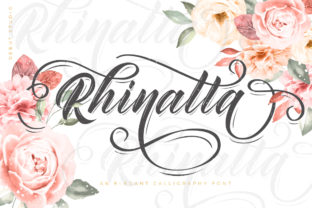
Rhinatta is an authentic cute script font that brings a warm, handcrafted feel to any project. Its swashes are elegant, and the alternates add a subtle layer of uniqueness that makes each letter feel intentional. When I tested it on a logo concept for the skincare brand, it immediately gave the design a friendly, artisanal edge. The font’s fluidity worked well with the brand’s natural aesthetic, and its clean structure kept it from looking too chaotic.
As a Script Handwritten font, Rhinatta has that organic quality that digital fonts often lack. It’s perfect for logos that need to feel human, like those for handmade shops or local businesses. But it also holds up in more polished environments, especially when paired with a modern sans serif or a classic serif.
Rhinatta for Packaging and Product Labels
When I moved to packaging mockups, Rhinatta really shone. The font’s size and weight were ideal for product labels, where readability is key but style matters just as much. I tried it on a small sticker for a soap bar, and it looked great without being overwhelming. The swashes added a touch of flair, while the alternates allowed for some creative spacing that made the label feel more dynamic.
It’s important to note that Rhinatta isn’t the best choice for long text blocks. In smaller sizes or when used in body copy, it can become hard to read. That’s why I recommend using it as a display font or for short phrases rather than full paragraphs. For packaging, it works best when used sparingly, such as on a tagline or product name.
Rhinatta for Web Design and Social Media Graphics
Testing Rhinatta on a website header was a revelation. The font’s curves and flow made it feel alive, adding a sense of movement that other scripts sometimes lack. On a homepage hero section, it stood out without competing with the rest of the design. It’s a great choice for headlines or call-to-action buttons, where impact is more important than legibility.
On social media layouts, Rhinatta added a personal touch. I used it for a series of Instagram posts promoting the skincare line, and it gave the visuals a cohesive, handwritten feel. The alternates allowed for some variation, which helped keep the content fresh without repeating the same look too often.
Rhinatta for Business Cards and Print Materials
Business cards are a place where typography can make or break a first impression. I designed a few versions using Rhinatta and found that it worked well when paired with a clean, minimalist layout. The font’s softness contrasted nicely with bold, geometric elements, creating a balanced composition.
One thing to consider when using Rhinatta for print is the resolution and clarity. If the font is too small or not printed at a high enough quality, the details can get lost. It’s always a good idea to test it on a physical sample before finalizing any print work. That said, when done right, Rhinatta adds a level of charm that many other fonts simply can’t match.
Rhinatta for Editorial and Commercial Design Assets
In editorial design, Rhinatta’s versatility shines. Whether I was working on a magazine spread or a flyer for a local event, the font added a sense of warmth and authenticity. It worked well with both dark and light backgrounds, and its alternates allowed for some interesting typographic experiments.
For commercial design assets, Rhinatta is a solid choice when the goal is to create a memorable, eye-catching look. It’s not the best option for formal or corporate branding, but for anything that leans into creativity, storytelling, or a personal touch, it’s a strong contender. Just be sure to check the licensing terms before using it in client projects or commercial products.