Anthropology Font Review
It was a crisp morning, and I found myself staring at a blank brand board, trying to figure out how to bring a new boutique coffee shop’s identity to life. The client wanted something warm, approachable, and slightly playful—something that felt like a friendly conversation over a cup of coffee. That’s when I pulled up Anthropology, a Script Handwritten font with an incredibly friendly feel. It immediately caught my eye, not just for its aesthetic but for the way it seemed to whisper, “I’m here to help.”
Anthropology for Logo Design and Brand Identity
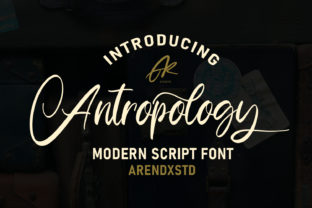
Anthropology is a cute and casual handwritten font that brings a sense of personality to any logo or brand system. Its swashes and ligatures give it a soft, flowing quality that feels natural, almost like a signature you’d write on a note. When I tested it on a logo concept for the coffee shop, it added a human touch that made the brand feel more personal and authentic.
The font works especially well when paired with a clean, modern sans serif for balance. It doesn’t overpower the design, but it still commands attention when needed. Whether used as a primary logo font or as a secondary element in a brand board, Anthropology adds a layer of warmth that can be hard to achieve with more rigid typefaces.
Anthropology for Packaging and Product Labels
One of the most rewarding moments came when I placed Anthropology on a packaging mockup for the coffee shop’s seasonal blends. The font’s friendly curves and delicate details made the labels feel like they were handcrafted, which aligned perfectly with the brand’s artisanal vibe. It looked great on both matte and glossy finishes, and the swashes gave each label a unique, custom feel without being too ornate.
I also tested it on product tags and sticker designs. The font maintained its clarity even at smaller sizes, which is a big plus for packaging where space is limited. However, I noticed that in very small text, some of the ligatures and swashes could become a bit distracting, so it’s best used as a headline or accent rather than body text.
Anthropology for Social Media and Web Design
When I applied Anthropology to a social media layout for the coffee shop’s Instagram posts, it brought a sense of energy and creativity that matched the brand’s tone. It worked well as a header font for post captions and story overlays, adding a handmade quality that stood out in a sea of digital content.
In web design, the font shined on homepage hero sections and call-to-action buttons. It gave the site a fresh, inviting look that encouraged engagement. However, I recommend using it sparingly on websites, as too much of it can make the design feel cluttered. Pairing it with a simple serif or sans serif font helps maintain visual balance and readability.
Anthropology for Business Cards and Print Materials
Testing Anthropology on a business card mockup was another highlight. The font’s fluidity made the card feel more personal and less corporate, which was exactly what the client wanted. It looked great in both black and white and color, and the ligatures added a subtle elegance that elevated the overall design.
For printed materials like flyers and posters, Anthropology added a sense of charm that made the messaging more engaging. It’s perfect for promotional content that needs to stand out without feeling too flashy. Just be mindful of the font’s weight and spacing when designing for print, as overly tight layouts can reduce legibility.
Anthropology for Creative Projects and Editorial Design
I also experimented with Anthropology in editorial design, such as magazine spreads and blog headers. The font’s expressive nature made it ideal for headlines and subheadings, giving the pages a dynamic, creative feel. It worked particularly well when combined with a bold serif font for contrast, creating a visually interesting hierarchy that drew the reader in.
For creative projects like handmade stationery or custom illustrations, Anthropology added a personal, artisanal touch that resonated with the target audience. Its versatility makes it a go-to choice for designers looking to add a unique, handwritten flair to their work.
As with any premium font, it’s important to check the commercial licensing before using Anthropology in client projects. This ensures that you’re compliant with the terms of use and avoid any legal issues down the line. Always review the font’s file formats, multilingual support, and webfont availability to make sure it fits your workflow.