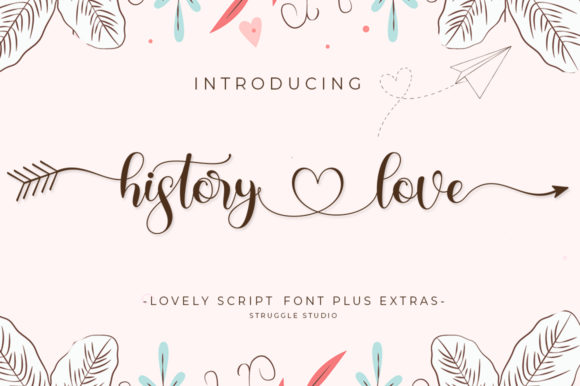
History Love Font
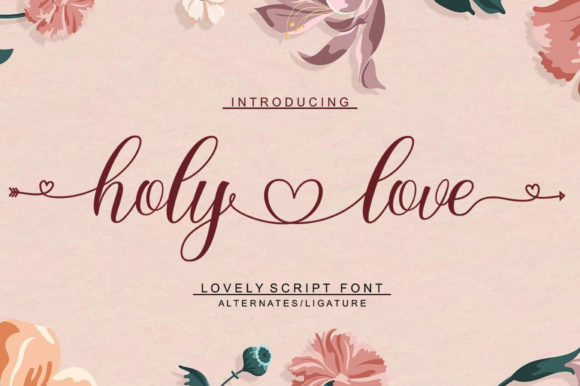
History Love is a modern and beautiful script font that brings a romantic touch to any digital design. As a Script Handwritten font, it adds an authentic feel that can elevate your website headers, landing pages, and brand identity. Whether you're designing for weddings, boutique stores, or creative portfolios, History Love offers a unique blend of elegance and charm.
History Love for Wedding Invitations and Elegant Branding
History Love is ideal for wedding invitations, event banners, and elegant branding projects. Its cute extras and romantic flair make it perfect for creating visually striking designs that convey love and sophistication. Web designers can use this font to craft custom headers for wedding websites, online registries, or digital guest books. The font's handwritten style adds a personal touch that resonates with audiences looking for authenticity in their digital experiences.
When used in branding, History Love helps establish a warm and inviting tone. It works well in logo design, social media graphics, and promotional materials where a soft, expressive feel is desired. Pairing it with a clean sans serif font like Open Sans or Lato ensures readability while maintaining visual interest.
History Love for Website Headers and Hero Sections
For website headers and hero sections, History Love serves as a powerful display font that captures attention and sets the tone. Its flowing lines and delicate details make it suitable for short phrases, taglines, and call-to-action buttons. When used in a hero section, it can draw users in and create a memorable first impression.
Web designers should consider the font’s legibility on different screen sizes. On mobile devices, keeping the text size above 24px ensures clarity. For dark backgrounds, using a light color like white or off-white enhances contrast and readability. In image overlays, pairing History Love with a subtle texture or gradient can add depth without overwhelming the viewer.
History Love for Online Store Banners and Product Pages
Online store owners can leverage History Love to create eye-catching banners, product titles, and promotional headlines. Its romantic aesthetic aligns well with niche markets such as bridal wear, handmade goods, and luxury items. By using this font for product headings, you can create a cohesive brand identity that feels both stylish and approachable.
In e-commerce design, History Love works best for short, impactful text. Avoid using it for long paragraphs, as it may reduce readability. Instead, use it for category names, sale tags, or featured products. Pairing it with a simple serif or sans serif font for body copy ensures a balanced layout that guides the user’s eye naturally.
History Love for Creative Portfolios and Digital Brand Kits
Creative professionals and digital product creators can use History Love to enhance their portfolios, case studies, and brand kits. Its elegant strokes and charming details make it a great choice for project titles, client testimonials, and design showcases. When integrated into a brand kit, it helps maintain a consistent visual language across all digital assets.
For portfolio sites, consider using History Love in section headings, project titles, or about page intros. It adds a personal and artistic flair that complements creative work. Ensure that the font is paired with a neutral background and ample white space to prevent visual clutter.
History Love for Blog Headers and Content Sections
Blogs and content-focused websites can benefit from History Love in headers, subheadings, and featured sections. Its playful yet sophisticated style makes it suitable for lifestyle, fashion, and relationship-focused content. Using it for blog titles or featured posts can help differentiate your content and attract reader engagement.
When using History Love in content sections, keep the text concise and avoid overuse. It works best for short phrases, quotes, or emphasis points. Pairing it with a clean, readable font like Georgia or Roboto ensures that the overall design remains professional and easy to navigate.
History Love for Coaching Websites and SaaS Landing Pages
Coaching websites and SaaS landing pages often require a balance between professionalism and approachability. History Love can be used to create compelling headlines, service titles, or client success stories. Its romantic undertones can help build trust and emotional connection with your audience.
On landing pages, use History Love for key value propositions or unique selling points. It adds a human element that can differentiate your brand from competitors. For SaaS platforms, pairing it with a modern sans serif font like Montserrat or Poppins creates a sleek and professional look that appeals to a wide range of users.
History Love for Social Media Graphics and Digital Ads
Social media graphics and digital ads benefit from the visual appeal of History Love. Its handwritten style adds a personal and authentic feel that resonates with audiences. Use it for captions, headlines, or call-to-action text in Instagram posts, Facebook ads, or Pinterest boards.
When designing for social media, keep the text size large enough to read on small screens. Avoid placing it over busy backgrounds or complex images, as this can reduce legibility. Instead, use it on solid color backgrounds or with minimal graphic elements to ensure maximum impact.
History Love for Logo Design and Editorial Layouts
Logos and editorial layouts often require a strong typographic presence. History Love can be used to create unique and memorable logos for brands that want to convey warmth and creativity. Its script style is particularly effective for businesses in the wedding, lifestyle, or artisan industries.
In editorial layouts, History Love can be used for article titles, pull quotes, or section headers. It adds a refined and artistic touch that enhances the reading experience. Pairing it with a classic serif font like Times New Roman or Garamond creates a timeless and sophisticated look.
History Love for Commercial Font Licensing and Web Use
When using History Love for commercial projects, ensure that you have the proper licensing for web use, client projects, and digital templates. Most premium fonts offer webfont licenses that allow you to embed them in websites or applications. Check the font’s documentation to confirm compatibility with CSS and webfont services like Google Fonts or Typekit.
For web design, consider the font’s file formats and available weights. A font with multiple styles, such as regular, bold, and italic, provides greater flexibility for different design needs. If the font includes alternates or ligatures, these can be used to add variety and uniqueness to your typography.